


GoodShort - Short Dramas Hub
GoodNovel
GoodShort is the kind of entertainment app I reach for when I want a quick story rather than a long film or a full television episode. It focuses on short original dramas, with genres that make it easy to move from romance to suspense or other dramatic formats without committing an entire evening. After spending time with it, my impression is that its biggest strength is convenience: the stories are built around small viewing sessions, so it fits naturally into a commute, a lunch break, or the last few minutes before bed.
That convenience also deserves a careful look. Short-form entertainment can be easy to start and surprisingly difficult to stop, especially when a story ends at a tense moment. I found GoodShort most enjoyable when I treated it as a collection of small viewing sessions instead of an endless background feed. The app is free to install, but optional purchases range from $0.99 to $299.99 per item, so anyone who prefers completely predictable entertainment costs should pay attention to the choices shown inside the app.
What GoodShort feels like in everyday use
The app comes from GoodNovel and sits in the entertainment category rather than trying to be a general video platform. That distinction matters. I did not approach it expecting the broad mix of films, television, user uploads, and live content found in larger streaming services. Its purpose is narrower: give me compact dramatic stories that are easy to browse and continue in short bursts.
In practical terms, I can open it with a very specific mood in mind. If I want something emotionally direct, I can look for a romance. If I want a faster hook, a suspense-focused story makes more sense. The short format reduces the time needed to decide, which is useful when I have only a few minutes. I also like that the app’s identity is clearer than that of a general video service; I am not sorting through unrelated categories before reaching the type of drama I came to watch.
A realistic use case is a train ride with several stops. I might watch part of a story while travelling, pause when I arrive, and return later rather than trying to remember a long film’s plot after an interruption. The same approach works during a waiting-room visit or while taking a short break from work. The episodes are designed around continuation, though, so a brief session can leave me wanting to watch one more part. I recommend deciding in advance how many episodes fit the moment.
Latest News

Uber Eats Under Pressure: What Happens When Delivery Goes Wrong

How QR & Barcode Scanner Adapts to Android and iOS Innovations

Why Waze Navigation & Live Traffic Is Your Essential Travel Companion
CapCut Mastery: Unleash Hidden Features for Pro-Level Editing

How OS Updates Enhance Roblox Adventures

Teacher Simulator: Exam Time Turns Quick Classroom Judgments into a Repetitive Loop
GoodShort is free, which lowers the barrier to trying it. It has a Teen content rating, so I would not treat it as an automatic choice for younger children. Parents should make their own decision based on the individual stories and the way a child uses the app. The rating is useful context, but it is not a substitute for checking whether a particular drama suits the viewer.
Why the short-drama format works
The strongest design choice is the emphasis on momentum. A traditional film asks me to reserve a substantial block of time, while a conventional television service often presents episodes that still require a serious commitment. GoodShort is better suited to the person who wants a complete dramatic beat in a smaller window. That makes it particularly appealing when I am tired and do not want to learn a complicated fictional world before the story becomes interesting.
There is a trade-off. Short episodes tend to prioritize immediate conflict, quick emotional turns, and strong reasons to continue. That can make the experience lively, but it may also feel less patient than a slow television drama. I noticed that the format rewards viewers who enjoy rapid developments more than viewers who prefer long conversations, quiet atmosphere, or carefully layered world-building. If your ideal evening involves a prestige series with spacious pacing, a conventional streaming service may be a better match.
Gallery
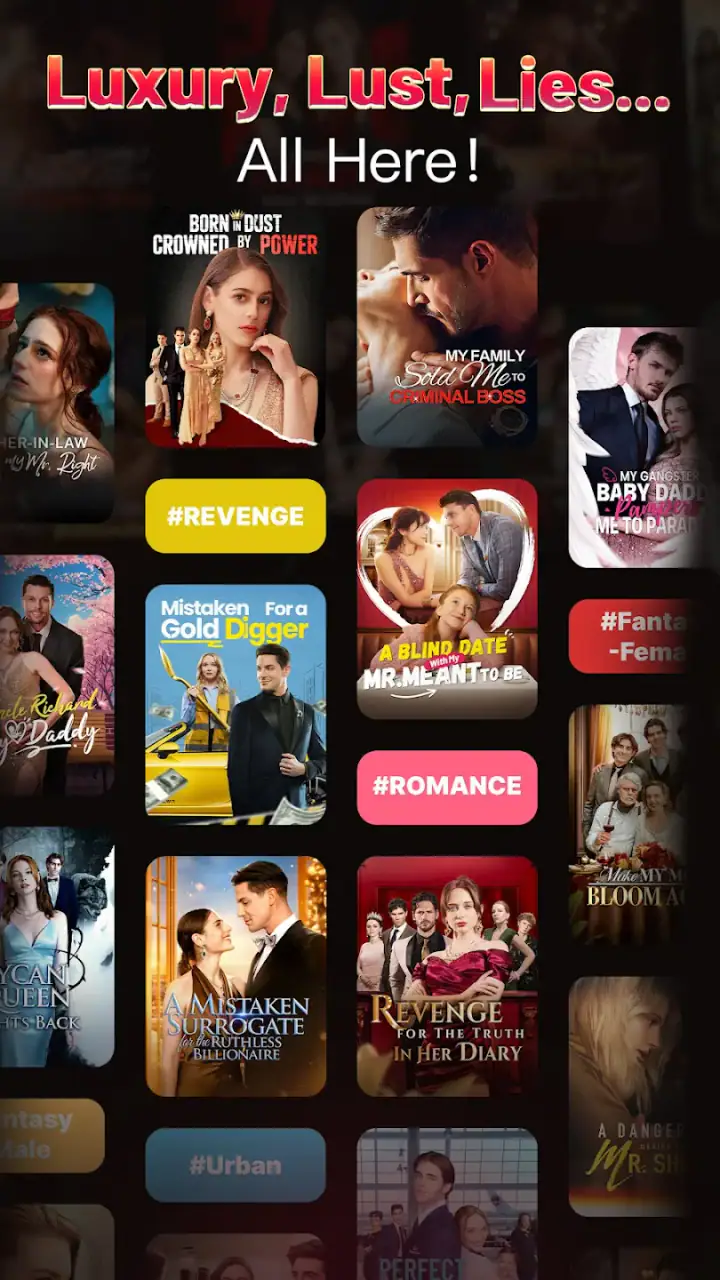
Another useful way to think about the app is as a sampling tool. I can test a story’s tone without spending hours on it. If the characters or premise do not work for me, moving to another drama is less frustrating than abandoning a long season. On the other hand, the same abundance of choices can encourage shallow browsing. I get more from GoodShort when I select one story based on its genre and give it enough time to establish itself instead of repeatedly switching after a few seconds.
Browsing, watching, and deciding what deserves my time
The most practical habit I developed was separating discovery from viewing. I browse when I have time to choose, then start a story only when I am ready to follow its continuing plot. This avoids the common short-video problem of opening an app for a moment and losing track of why I opened it. With GoodShort, the dramatic structure makes that discipline especially helpful because each stopping point can be designed to pull me forward.
I also recommend judging a story by its overall tone rather than by a single dramatic scene. Short dramas often need an immediate hook, so the opening can be more intense than the rest of the story. If I choose only from the most sensational moment, I may end up with something that does not match my mood. Genre is a useful first filter, but the better decision is whether I actually want a romantic, suspenseful, or emotionally heavy story at that time of day.
For multitasking, I would be cautious. The app may fit a low-attention situation when I am simply passing time, but drama loses much of its value if I am constantly answering messages or moving between tasks. I prefer to watch with enough attention to follow names, relationships, and reversals. That is a small but important difference from using a casual clip app as background noise.
Trust, controls, and the choices I would make
GoodShort has a large public footprint, with an average rating of 4.8 from around 3.8 million ratings and over 50 million installs. Those figures suggest that many people find the format worthwhile, but popularity is not the same as a personal guarantee. I still evaluate the app through the choices it presents: what I am asked to do, what I can control, and whether I am comfortable with the purchase path before continuing.
The app was released on June 12, 2023, and the current version is 2.7.9.2079. It supports Android devices running version 6.0 or later. That broad compatibility is helpful if I am using an older phone, although the actual comfort of video viewing will still depend on the device’s screen, battery condition, and connection. I would update through the normal app-store process and review the visible change notes there before installing a new version.
My trust approach is deliberately simple: I do not grant a permission automatically just because an entertainment app requests it. I read each permission prompt, consider whether it makes sense for the action I am trying to perform, and decline anything I do not need. If a feature later requires a permission, I can decide at that moment. This is more useful than making a blanket judgment about the app, because permissions and controls can change between versions and devices.
I also pay attention to account controls. If I sign in, I want to know which account method I am choosing and whether I can manage that sign-in from the app or the connected platform. I avoid sharing more profile information than is necessary for the experience I want. When I am only testing a drama, I prefer to keep the session as limited as the app allows rather than creating a permanent account immediately.
Data-sensitive moments usually appear around sign-in, personalization, notifications, and purchases. Those are the points where I slow down. A notification can be useful if I want a reminder that a story has continued, but it can also turn a casual viewing habit into a constant interruption. I would enable only the alerts I genuinely want, then revisit that decision if the app begins competing with work, sleep, or family time.
Purchases deserve particular care because the range reaches from small individual items to much larger ones. I do not assume that a free installation means every part of the viewing experience will remain free. Before confirming a transaction, I check the displayed amount, the account being charged, and the platform’s purchase confirmation. On a shared device, I would make sure purchase authentication is active. This is especially important when a dramatic cliffhanger makes an immediate decision feel urgent.
The most important control is the pause between wanting the next episode and paying for it. I use that pause to decide whether I am buying because the story is genuinely worth continuing or because the app has created a moment of impatience. If I am unsure, I close the purchase screen and return later. That small habit protects my budget without preventing me from supporting a story I truly enjoy.
Where user agency matters most
I see GoodShort as a better fit for people who are comfortable making active choices. I choose what to watch, how long to stay, whether to allow notifications, whether to sign in, and whether a paid option is worth considering. The app is less suitable for someone who wants a completely passive service with one predictable subscription and no interruptions around individual content access.
That comparison is important. A large subscription streaming service usually offers broader content and a more familiar all-you-can-watch structure, while GoodShort is more focused on compact original dramas. A social video platform may provide more variety and spontaneity, but it can be less consistent when I want a continuing fictional story. GoodShort sits between those experiences: more story-focused than a random clip feed, but potentially more purchase-sensitive than a simple subscription library.
For privacy-conscious viewers, I would use a staged approach. First, install the app through the official store and inspect the permissions requested by the device. Next, explore the visible browsing experience without rushing into account creation. Then decide whether notifications or personalization are useful. Finally, review the purchase confirmation process before any transaction. This workflow does not require assuming anything about hidden practices; it simply keeps the user involved at each visible decision point.
I would also check the app after an update rather than assuming my previous choices remain exactly the same. The version number can change, and device settings may present permissions differently over time. If I no longer use the service, I would disable notifications and review the account options available on the device or platform. Those are ordinary maintenance steps, but they are easy to forget when an entertainment app has become part of a daily routine.
Who should try it, and who should skip it
I would recommend GoodShort to viewers who enjoy romance, suspense, and other dramatic genres in compact installments. It is especially useful for people whose free time arrives in fragments: commuters, students between activities, or anyone who wants a story without reserving a full evening. The focused format also suits viewers who like testing several premises quickly before committing to one.
I would be more cautious about recommending it to children, since the content rating is Teen, or to anyone who dislikes cliffhangers and episode-by-episode momentum. It is also not my first choice for viewers who want major films, documentaries, live events, or a broad catalog of established television. Those needs point toward a general streaming service instead.
People with strict spending limits should try the free portion carefully and establish a personal rule before encountering paid options. For example, I might decide that I will not buy anything during a first session, or that I will only spend after comparing the total cost with another entertainment option. The exact rule is personal; the valuable part is making it before the story creates pressure.
One less obvious trade-off is emotional pacing. Because the app is built around short dramatic progress, it can be perfect when I want a quick emotional lift, but tiring when I am already overstimulated. In that situation, a calm podcast, a familiar film, or a slower series may be better. GoodShort is not automatically the right answer for every kind of downtime, even when I technically have only a few minutes available.
My cautious verdict after using the app
GoodShort succeeds because it understands a specific viewing habit: many people want fictional drama, but they do not always have time for a full-length episode. Its genre-focused selection and compact structure make it easy for me to start something during a short break and return later. The free entry point is inviting, and the app’s strong rating and large install base show that the format has broad appeal.
My recommendation comes with clear boundaries. I would keep notifications selective, treat account creation as a choice rather than a requirement to rush into, and inspect every purchase screen before confirming anything. The app is most enjoyable when I remain in control of the session instead of letting cliffhangers decide how long I watch or how much I spend.
In the end, I see GoodShort as a focused entertainment option rather than a replacement for every streaming service. I would install it when I specifically want short original dramas and have the discipline to manage interruptions and optional purchases. If that describes you, it is worth trying. If you want one fixed subscription, a wide general catalog, or completely passive viewing, another service will probably feel more comfortable.
FAQs for GoodShort - Short Dramas Hub
What is GoodShort and how does it work?
GoodShort is an innovative app that provides a platform for streaming short dramas and films. Users can access a wide range of genres and curated content, designed for quick and engaging viewing experiences. The app offers personalized recommendations based on user preferences and viewing history, making it easy to discover new and exciting short-form content.
Is GoodShort available for both Android and iOS devices?
Yes, GoodShort is available for download on both Android and iOS platforms. Users can easily find it on the Google Play Store and Apple App Store. It's optimized for seamless performance across a variety of devices, ensuring a smooth streaming experience whether you're using a smartphone or tablet.
Does GoodShort require a subscription or is it free to use?
GoodShort offers both free and premium subscription options. The free version provides access to a selection of content with ads, while the premium subscription offers an ad-free experience and access to exclusive content. Subscription plans are flexible, with monthly and yearly options available to suit different user needs.
What kind of content can I expect to find on GoodShort?
GoodShort features a diverse library of short dramas spanning various genres, including romance, thriller, comedy, and more. The app focuses on high-quality storytelling and production, catering to audiences looking for quick yet captivating narratives. It regularly updates its catalog to include new and trending short films from around the world.
How does GoodShort ensure the quality of its content?
GoodShort collaborates with established and emerging filmmakers to curate a selection of high-quality short dramas. Each piece of content undergoes a rigorous review process to ensure it meets the platform's standards for storytelling, production, and engagement. This commitment to quality helps maintain a satisfying viewing experience for all users.
Pros
- Diverse selection of short dramas.
- High-quality video streaming.
- User-friendly interface.
- Regularly updated content.
- Option to download for offline view.
Cons
- Limited free content available.
- Requires stable internet connection.
- Ads in the free version.
- No subtitle options.
- Limited customization settings.


